May. 22, 2026
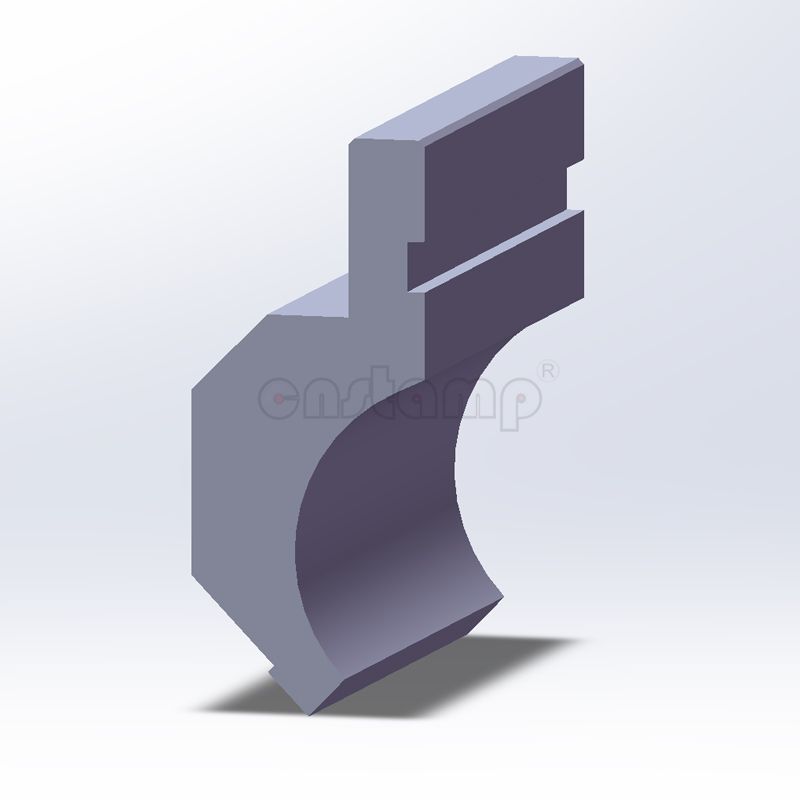
Press brake tooling is a critical component in the metal fabrication industry, serving as the essential mechanism that shapes and bends metal sheets into specified angles and forms. The accuracy of these processes, often reaching precision levels of 0.01mm, directly impacts the quality of manufactured products. With the right Press Brake Punch, businesses can enhance productivity, reduce waste, and improve overall operational efficiency.
The use of press brake tooling dates back to the early 19th century, but significant advancements have been made over the decades. Initially, these tools were rudimentary and lacked standardization. Today, they are crafted using advanced materials and precision engineering techniques, meeting stringent standards such as ASTM and DIN. This evolution not only reflects the technological advancements within the industry but also the growing demand for more complex and precise manufacturing capabilities.
Understanding the materials used in press brake tooling is pivotal for any business involved in metal fabrication. Common materials include high-carbon steel, tool steel, and specialized alloys designed for durability and wear resistance. Each material offers unique benefits; for example, high-carbon steel is favored for its hardness, while tool steel is known for its toughness and ability to withstand high operational stress. The choice of material can significantly impact the performance and lifespan of the press brake punch, making this knowledge invaluable for manufacturers aiming to choose the right tooling for their specific applications.
Despite its importance, there are misconceptions regarding the materials used in press brake tooling. A common error is assuming that higher cost always equates to better quality; however, many budget-friendly options, such as specific high-carbon steels, can offer ample durability and performance when used correctly. Furthermore, not all applications require the same type of tooling material—understanding the specific needs of your production can result in more efficient processes and reduced costs.
Consider a case study involving a mid-sized automotive parts manufacturer, which transitioned from standard tool steels to specialized high-alloy materials for their press brake punches. The result was a 30% increase in productivity due to decreased downtime from tool wear and breakage, showcasing the tangible benefits of selecting the right materials for press brake tooling.
In summary, material selection in press brake tooling is crucial for operational success and quality output. From high-carbon steel to advanced alloys, the right materials can optimize production efficiency and enhance product quality. Businesses looking to improve their fabrication processes should assess their tooling needs carefully, explore options such as Custom Press Brake Punch, and be informed about the materials available. For more detailed information and expert guidance, consider visiting Cnstamp to enhance your tooling strategy.
Related Products
Committed to advancing sheet metal fabrication worldwide, we empower manufacturers through precision engineering and intelligent automation.
Get customized sheet metal processing solutions
Tell us your processing requirements (materials/processes/capacity), and experienced engineers will match you with a combination of high-precision molds and CNC equipment.
Navigation
Navigation
Contact Us
Tel.: +86 255 726 8550
+86 255 726 8551
E-mail: cnstamp@cnstamp.net
Add.: Mingjue Industrial Zone, Shiqiu, Lishui, Nanjing City, Jiangsu China 211223
Send Us A Message
Send Us A Message